Key Takeaways
- Standby generators connect permanently to your home's electrical system and start automatically during an outage — no extension cords, no manual startup
- Sizing is the most important decision: too small and it won't run your HVAC; too large and you're overpaying for capacity you'll never use
- A licensed electrician must install the transfer switch — this is not a DIY project and is required by code in Texas
- Austin and surrounding municipalities require a permit for generator installation
- Total installed cost in Austin typically runs ,000–,000 depending on generator size and gas line work required
- After Winter Storm Uri in 2021 and continued ERCOT instability, demand for whole-home backup power in Central Texas has stayed high
If you lived in Austin during Winter Storm Uri in February 2021, you already know why standby generator sales jumped 300% in Texas that spring. Even outside a once-in-a-generation event, Central Texas has had enough summer heat waves and storm-related outages to make backup power a legitimate home improvement priority rather than a luxury.
But buying a generator is only half the equation. The electrical installation — the transfer switch, the panel connections, the gas line coordination — is where things get complicated, and where cutting corners creates real danger. We've installed standby generators all over Austin and the Hill Country. Here's what you actually need to know before you buy.
Portable Generator vs. Standby Generator: Which One Is Right for You?
Before we get into standby installation specifics, it's worth being clear about what we're talking about.
Portable generators run on gasoline, require manual startup, must be operated outside (carbon monoxide hazard), and power only what you plug into them directly or what you connect through a manual transfer switch. They're cheaper upfront (,000) but inconvenient and limited.
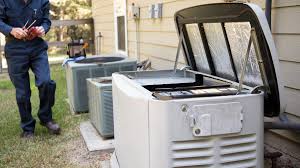
Standby generators are permanently installed outside your home, connect to your natural gas or propane supply, start automatically within seconds of detecting an outage, and power your entire home (or selected circuits) through your existing electrical system. They're a permanent improvement to your home.
If you want true whole-home backup that works while you're asleep or away, standby is the only real answer. The rest of this article is about standby generators.
How Standby Generators Work
A standby generator system has three main components:
- The generator unit — sits outside your home, connected to natural gas or propane. Most residential units are air-cooled (good for 10–22 kW) or liquid-cooled (20 kW and up).
- The automatic transfer switch (ATS) — installed at your electrical panel. Monitors utility power continuously. When power drops, it disconnects your home from the grid and switches to generator power within 10–30 seconds. When utility power returns, it switches back and shuts down the generator.
- The gas supply — the generator needs a dedicated gas line with adequate supply pressure and flow rate. This often means upsizing the meter or running new gas line, which your gas utility or a licensed plumber handles.
Why the transfer switch is non-negotiable.
Running a generator without a proper transfer switch — "backfeeding" power into the grid — is illegal and deadly. It can electrocute utility workers trying to restore power on lines they believe are de-energized. The ATS is what physically disconnects your home from the utility before generator power flows. No exceptions.
Sizing: The Most Important Decision You'll Make
Generator sizing is where most homeowners get into trouble — either by buying something undersized that can't handle their home's load, or oversized and paying thousands more than necessary.
Generator output is measured in kilowatts (kW). Here's a rough guide for Central Texas homes:
10–13 kW
Good for: smaller homes under 2,000 sq ft with gas appliances. Runs lights, refrigerator, select outlets, and one smaller HVAC system. Will struggle with a large central A/C unit — critical in an Austin summer outage.
16–20 kW
Good for: most 2,000–3,500 sq ft Austin homes. Handles central A/C (up to 4 tons), refrigerator, well pump, lighting, and most outlets simultaneously. This is our most common residential install size.
22–26 kW
Good for: larger homes, two HVAC systems, electric vehicle charging during an outage, home offices with significant loads. Also appropriate for homes with electric ranges or electric water heaters where gas isn't available.
26 kW+
Liquid-cooled units for large homes, homes with pools or hot tubs, and whole-estate backup. Higher upfront cost but designed for extended run times and commercial-grade duty cycles.
The right way to size a generator is a load calculation — adding up the starting and running wattage of everything you want to power simultaneously. HVAC is usually the biggest factor. A 4-ton central air unit draws about 14–16 amps at 240V on startup (the inrush current spike) and 6–8 amps running. A generator that can't handle that startup surge will trip its breaker or fail to start the compressor.
Don't size based on what you think you'll need — size based on what you have.
We've had homeowners buy a 12 kW generator for a 3,200 sq ft home with two HVAC systems and then call us when it won't keep up. A proper load calculation before purchase prevents this. We can walk through it with you before you buy anything.
The Installation Process
Here's what a typical standby generator installation looks like from start to finish:
1. Site Assessment and Load Calculation
We walk the property, assess the panel, measure the available gas pressure and line size, identify the best placement for the generator unit (local codes require setbacks from windows, doors, and gas meters), and run through the load calculation. This usually takes 30–60 minutes.
2. Permit Pulled
Austin, Dripping Springs, Cedar Park, Bee Cave, and every surrounding municipality require an electrical permit for generator installation. We pull the permit before work starts. Inspections are required at completion. Don't let any contractor install a generator without pulling a permit — it creates liability issues and may void your homeowner's insurance coverage for a generator-related claim.
3. Generator Placement and Mounting
The generator sits on a concrete pad — either an existing pad or one we pour. Clearance requirements: typically 18 inches from the home's exterior wall, 5 feet from windows and doors, and per manufacturer specs for exhaust direction. Most local codes also require a specific setback from the gas meter.
4. Gas Line Work
This is coordinated with a licensed plumber or your gas utility. We determine what line size and pressure the generator requires, and the plumber runs a dedicated gas line from the meter to the generator location. Austin Energy or Bluebonnet Electric may also need to be coordinated with for meter upgrades if needed.
5. Electrical Connection
This is our part. We install the automatic transfer switch — either as a whole-home ATS that replaces or works alongside your existing panel, or as a load-center ATS that covers specific critical circuits. We run conduit from the ATS to the generator, wire the control circuit, and test the automatic transfer sequence.
6. Inspection and Startup
After the city inspector signs off, we do a full startup — manually simulating an outage to verify the transfer switch operates correctly, checking voltage and frequency output, and testing the weekly self-test cycle most standby generators run automatically.
Transfer Switch Options: Whole-Home vs. Critical Circuits
You have two main approaches to how the generator integrates with your home's electrical system:
Whole-Home Transfer Switch
The ATS takes the place of — or sits alongside — your main panel and can switch your entire electrical load to generator power. With a properly sized generator, this means everything in your home works normally during an outage. This is the premium option and is what most of our Austin clients choose when they're installing a 16 kW or larger unit.
Critical Circuit / Load-Shedding Panel
A smaller sub-panel is installed that contains only the circuits you want backed up: HVAC, refrigerator, select outlets, lighting, well pump. A smaller generator powers just those circuits. This approach lets you use a less expensive generator while still covering your essential needs. Common on 10–13 kW installs where whole-home coverage isn't feasible.
Real Costs in Austin
| Component | Typical Cost Range |
|---|---|
| 10–13 kW generator unit (air-cooled, e.g. Generac 7172) | ,500–,500 |
| 16–20 kW generator unit (air-cooled, e.g. Generac 7043) | ,500–,000 |
| 22–26 kW generator unit (air-cooled, e.g. Generac 7291) | ,000–,500 |
| Electrical installation (ATS, conduit, wiring, panel work) | ,000–,000 |
| Concrete pad (if new) | |
| Gas line work (plumber, varies widely by distance) | ,500 |
| Permit fees (City of Austin / surrounding municipalities) | |
| Typical all-in cost (16–20 kW, standard install) | ,000–,000 |
Variables that push costs up: distance from panel to generator location (longer conduit runs), gas line distance from meter, need for a new concrete pad, panel upgrades, and permit complexity in certain HOA-governed communities (some require HOA approval for generator placement).
Generator Brands We Install
Generac is the dominant brand in residential standby generators for good reason — they have the largest service network, the widest parts availability, and a solid track record. We also install Kohler and Briggs & Stratton units when clients have a preference or when Generac lead times are long.
One thing we're not — a brand-specific dealer. We're not incentivized to push one brand over another. We'll recommend what fits your home's load, your budget, and what's available with reasonable lead time.
Maintenance: What Happens After Installation
Standby generators aren't set-and-forget. They require annual maintenance — oil and filter changes, spark plug inspection, battery check (the starter battery), and transfer switch exercise. Most units run a brief self-test cycle weekly (you'll hear it run for a few minutes, usually Sunday morning). This keeps the engine lubricated and the battery charged.
We recommend a professional maintenance visit annually, particularly before storm season. The worst time to find out your generator has a dead battery or a fuel supply issue is when you actually need it during an outage.
Ready to Talk Generator Installation?
We install standby generators throughout Austin, Dripping Springs, Bee Cave, Cedar Park, Round Rock, and the Texas Hill Country. TECL #28315 — licensed and insured. We'll walk through sizing and costs with you before you buy anything.
Frequently Asked Questions
Does a whole-home generator add value to my Austin home?
Yes — several real estate studies have put standby generator value-add at roughly 3–5% of home value, though this varies by market. In Austin and the Hill Country, where power reliability concerns are top of mind after Winter Storm Uri and ongoing ERCOT issues, backup power is a genuine selling point. Buyers who need home offices, have medical equipment, or have had outage experiences themselves actively look for it. At minimum, it's unlikely to hurt resale and often helps.
How long can a standby generator run continuously?
Air-cooled standby generators (the residential-grade units under 22 kW) are typically rated for 200–500 hours of continuous run time before recommended maintenance. During an extended outage — say, a week-long event like Uri — you'd want to schedule an oil check around day 5–7 of continuous operation. Liquid-cooled units have higher duty cycles and can run longer between maintenance intervals. The limiting factor in most outages is gas supply, not generator capacity — natural gas supply during winter events can drop.
Can I install a generator myself in Texas?
The generator unit placement and gas connection require licensed trades (electrical and plumbing). In Texas, homeowners can do electrical work on their own residence, but the transfer switch connection to your panel is the one piece where a wiring mistake can backfire into the utility grid and harm workers. Beyond the safety issue, permits and inspections are required, and inspectors will verify the work meets code. Our advice: buy the generator yourself if you want to source your own unit, but bring in a licensed electrician for the transfer switch and electrical connection.
How far does a generator need to be from the house?
Clearance requirements depend on local code and the manufacturer, but generally: 18 inches minimum from the home's exterior, at least 5 feet from any window, door, or opening into the home, and clear of the path of exhaust direction. HOA guidelines in communities like Steiner Ranch, Circle C, or Bee Cave may add further restrictions on placement or require screening. We check all of this during the site assessment before installation.
What's the lead time for generator installation in Austin right now?
Lead times vary by season and generator availability. During and after major storm events, demand surges and both generator units and installation slots fill quickly. In normal conditions, we can typically schedule installation within 2–4 weeks. If you're thinking about getting a generator installed, before storm season is the right time — not during or after one.
The Bottom Line
A standby generator is a significant home improvement investment — one that pays off the first time you're the only house on the block with the lights on. The electrical side of the installation (transfer switch, panel work, conduit) is straightforward for a licensed electrician, but it's not a job to shortcut. Do it with permits, do it with a licensed contractor, and size it correctly upfront.
If you're in Austin, Dripping Springs, Bee Cave, Cedar Park, or anywhere in Central Texas and want to talk through what it would take to back up your home, give us a call. We'll walk you through the load calculation and give you a real number before you commit to anything.